

Summer outings with a baby can be enjoyable—but heat buildup inside a stroller can quickly become uncomfortable or even dangerous. Babies regulate body temperature less efficiently than adults, and strollers can trap heat if they’re not properly ventilated or shaded. Whether you’re running errands, walking in the park, or traveling with a double stroller, knowing how to keep your stroller cool in summer is essential for your child’s comfort and safety.
The good news is that with the right combination of shade, airflow, materials, timing, and hydration, you can significantly reduce heat exposure and enjoy outdoor time with confidence.
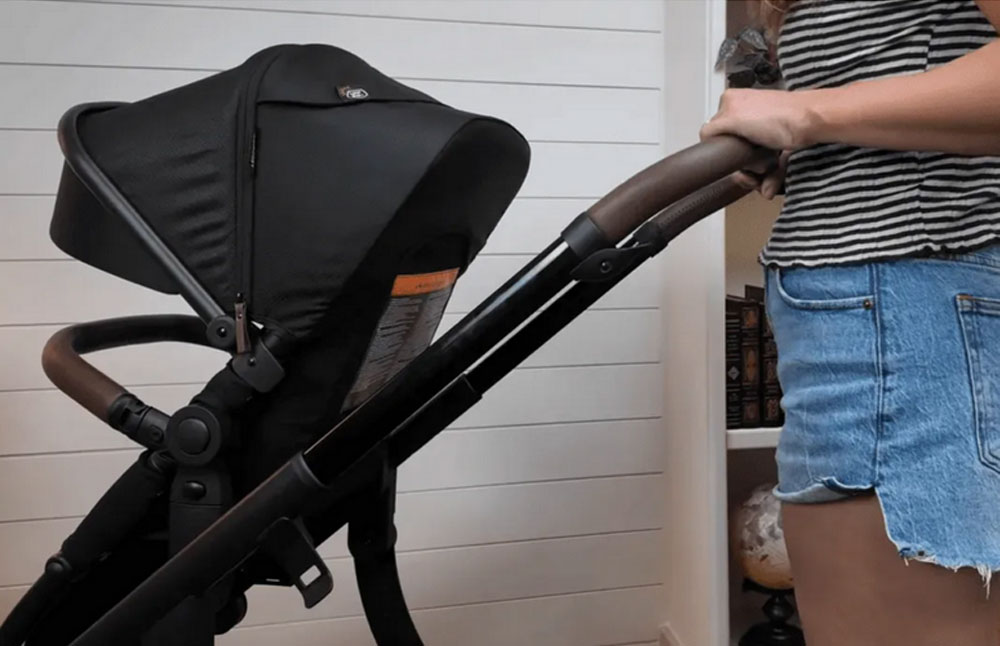
Shade Strategy: Maximizing the Canopy and Using UV-Protective Extensions
Shade is your first and most important line of defense against stroller heat.
Use the Built-In Canopy Fully
Most modern strollers include a canopy designed to block sunlight. Always extend it fully when outdoors, especially during midday hours. Adjustable or multi-panel canopies provide better coverage as the sun shifts throughout the day.
Add UV-Protective Extensions
If the standard canopy doesn’t provide enough coverage, consider:
- UV-rated stroller canopy extensions
- Breathable sun shades made specifically for strollers
Look for materials that offer UPF 50+ protection while still allowing airflow. Avoid thick, non-breathable fabrics that trap heat.
Avoid Draping Blankets
It may seem logical to cover the stroller with a blanket for shade, but this can dangerously increase internal temperatures. Even lightweight blankets restrict airflow and can turn a stroller into a heat trap within minutes.
Airflow Tactics: Ensuring Good Circulation with Fans and Vents
Good airflow prevents heat from building up around your baby.
Clip-On Stroller Fans
Battery-powered or USB-rechargeable stroller fans can dramatically improve comfort by circulating air. Choose fans that:
- Have flexible tripod legs or secure clips
- Use soft foam blades or protective grills
- Offer multiple speed settings
Position the fan to circulate air around the baby, not directly at their face.
Utilize Built-In Ventilation Panels
Many strollers include mesh ventilation panels near the canopy or seat. Make sure these are open whenever possible to allow hot air to escape.
Keep Space Clear
Avoid overloading the stroller with bags or accessories that block airflow around the seating area.
Fabric Choice: The Benefits of Breathable and Light-Colored Liners
The materials inside your stroller matter more than you might think.
Choose Breathable Fabrics
Swap out thick padding for stroller liners made from:
- Cotton
- Bamboo
- Moisture-wicking performance fabrics
These materials allow heat to dissipate and reduce sweating.
Opt for Light Colors
Dark fabrics absorb more heat. Light-colored liners and seat covers reflect sunlight and stay cooler to the touch, especially during prolonged outdoor use.
Hydration Hotline: Keeping Baby and Parent Hydrated During Hot Outings
Heat increases fluid needs for both babies and caregivers.
For Babies
- Offer feeds more frequently (breast milk or formula)
- For older babies, small sips of water may be appropriate if approved by your pediatrician
Signs of dehydration include fewer wet diapers, dry lips, or unusual fussiness.
For Parents
Caregivers often forget their own hydration. Carry a water bottle and drink regularly—your comfort and alertness matter, too.
Cooling Inserts: Using Stroller Pads and Wicking Technology
Cooling accessories can provide targeted relief in high temperatures.
Cooling Gel Pads
These pads absorb excess heat and can be pre-cooled. Use only pads designed specifically for strollers and follow manufacturer instructions carefully.
Moisture-Wicking Inserts
Some stroller liners are engineered to pull moisture away from the body, keeping your baby drier and more comfortable even on hot days.
Avoid freezing inserts or using ice packs directly against your baby’s body, as this can cause discomfort or cold stress.
Timing Is Everything: Avoiding Peak Heat Hours
When you go out matters just as much as how.
Best Times for Outings
- Early morning (before 10 a.m.)
- Late afternoon or early evening (after 4 p.m.)
These times offer lower UV exposure and cooler ambient temperatures.
Avoid Midday Sun
Between 11 a.m. and 3 p.m., heat and UV rays peak. If you must go out during this window, limit exposure time and stay in shaded or indoor areas as much as possible.
Surface Awareness: Protecting Baby from Hot Components
Stroller materials can become dangerously hot.
Check Before Seating
Before placing your baby in the stroller:
- Touch the seat fabric
- Check metal frames, buckles, and plastic parts
If any component feels hot to your hand, it’s too hot for your baby’s skin.
Prevent Heat Absorption
Avoid parking the stroller in direct sunlight, especially on pavement or near reflective surfaces like glass buildings.
The Mist Method: Safe Use of Water for Cooling
Light misting can offer relief—but it must be done carefully.
Portable Misters
Handheld misters can lightly cool exposed skin and fabrics. Use sparingly and avoid soaking the baby or stroller padding.
Damp Cloth Technique
A lightly damp cloth placed near—but not on—the baby can help cool the surrounding air. Never place wet fabric directly over the baby’s face or body.
Clothing Choices: Dressing Baby for the Heat
What your baby wears plays a major role in temperature regulation.
Choose Lightweight Layers
Dress your baby in:
- Loose-fitting cotton or bamboo clothing
- Short sleeves or sleeveless onesies
Avoid synthetic fabrics that trap heat.
Hats and Sun Protection
A breathable, wide-brimmed hat helps protect from sun exposure without overheating. Remove hats when indoors or shaded to prevent heat buildup.
Signs Your Baby May Be Overheating
Even with precautions, it’s important to monitor your baby closely.
Warning Signs Include:
- Excessive sweating or flushed skin
- Rapid breathing
- Fussiness or lethargy
- Warm chest or back
If you notice these signs, move to a cooler environment immediately, remove excess layers, and offer fluids.
Special Considerations for Double and Multi-Seat Strollers
Strollers with multiple seats can trap more heat due to reduced airflow.
Extra Ventilation Is Key
Ensure both seating areas have adequate shade and airflow. Clip-on fans may need to be positioned strategically to circulate air evenly.
Check Both Seats
One seat may receive more sun exposure than the other depending on orientation. Adjust canopies and seating positions as needed.
Final Thoughts: Summer Strolling Can Be Safe and Comfortable
Keeping a stroller cool in summer requires thoughtful planning—but it doesn’t mean staying indoors all season. With proper shade, airflow, breathable materials, hydration, and smart timing, you can create a comfortable environment that allows your baby to enjoy the outdoors safely.
Always remember: if it feels too hot for you, it’s likely too hot for your baby. Trust your instincts, monitor conditions closely, and don’t hesitate to shorten outings when temperatures rise. A cool, comfortable stroller isn’t just about convenience—it’s about protecting your child’s health during the hottest months of the year.